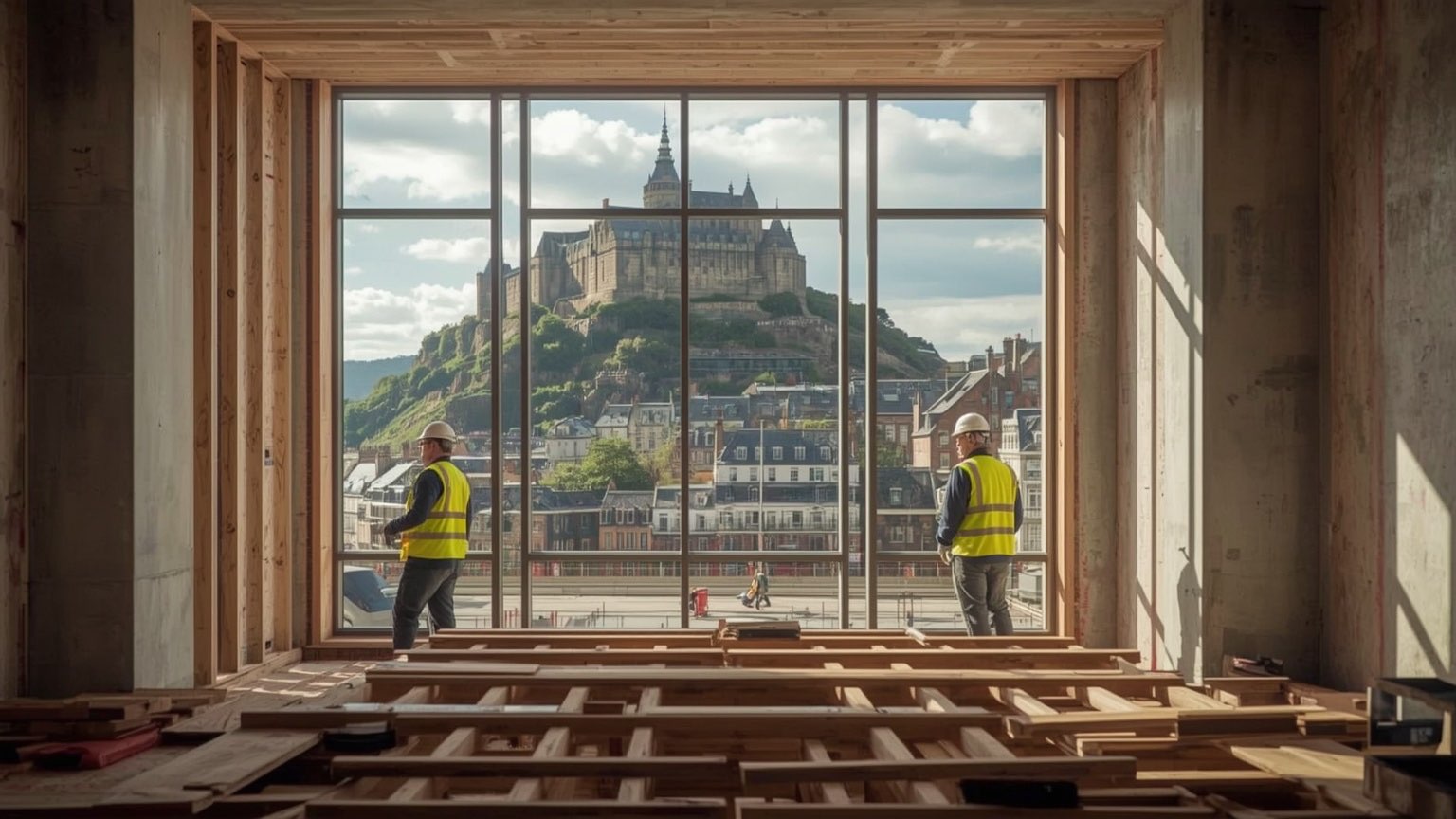
See Our Work in Action
See our team at work on drylining, partition walls, and suspended ceilings across Edinburgh and the Lothians.
Drylining Edinburgh. Professional partition walls, suspended ceilings, and plasterboard installation across Scotland's capital.
Our Drylining Services
From residential renovations to large commercial fit-outs, we deliver every drylining service you need. All under one roof, fully accredited, and fully insured.
Areas We Cover
We provide drylining, partition walls, and suspended ceiling services across Edinburgh and the Lothians. If your area is not listed, get in touch. We likely still cover it.
Edinburgh
Full drylining services across Edinburgh city centre, New Town, Old Town, Leith, and all surrounding neighbourhoods.
Leith
Professional partition walls and drylining for homes and businesses throughout Leith and the Shore.
Livingston
Drylining, partition walls, and suspended ceilings for homes and businesses in Livingston and West Lothian.
Falkirk
Reliable drylining contractors covering Falkirk and the surrounding Central Scotland area.
Dalkeith
Drylining, partition walls, and plasterboard installation for Dalkeith and Midlothian.
Musselburgh
Drylining, partition walls, and suspended ceilings for Musselburgh and East Lothian.
Peebles
Drylining and partition wall services for homes and businesses in Peebles and the Scottish Borders.
East Kilbride
Drylining, partition walls, and suspended ceilings for East Kilbride and South Lanarkshire.
How We Work
From your initial enquiry to project completion, we follow a clear, professional process that delivers consistent quality on time and on budget.
Free Site Survey
We visit your property to assess the project requirements, measure the space, and identify the most suitable drylining system for your building type.
Detailed Quotation
A clear, written breakdown of materials, labour, and timeline with no hidden charges. We explain every line item so you know exactly what you are paying for.
Scheduling
We agree a start date and timeline that works for you. Our CSCS-accredited team arrives on site prepared with all materials and tools needed.
Installation
Expert fixing of plasterboard using the most appropriate method, whether dot and dab, timber frame, or metal stud system, depending on your requirements.
Taping & Finishing
Joints are taped, filled, and sanded to a smooth, crack-resistant finish. Optional skim coats can be applied for a traditional plastered appearance.
Quality Inspection
We carry out a thorough quality check, ensure the site is left clean and tidy, and provide a guarantee on all our work before handover.
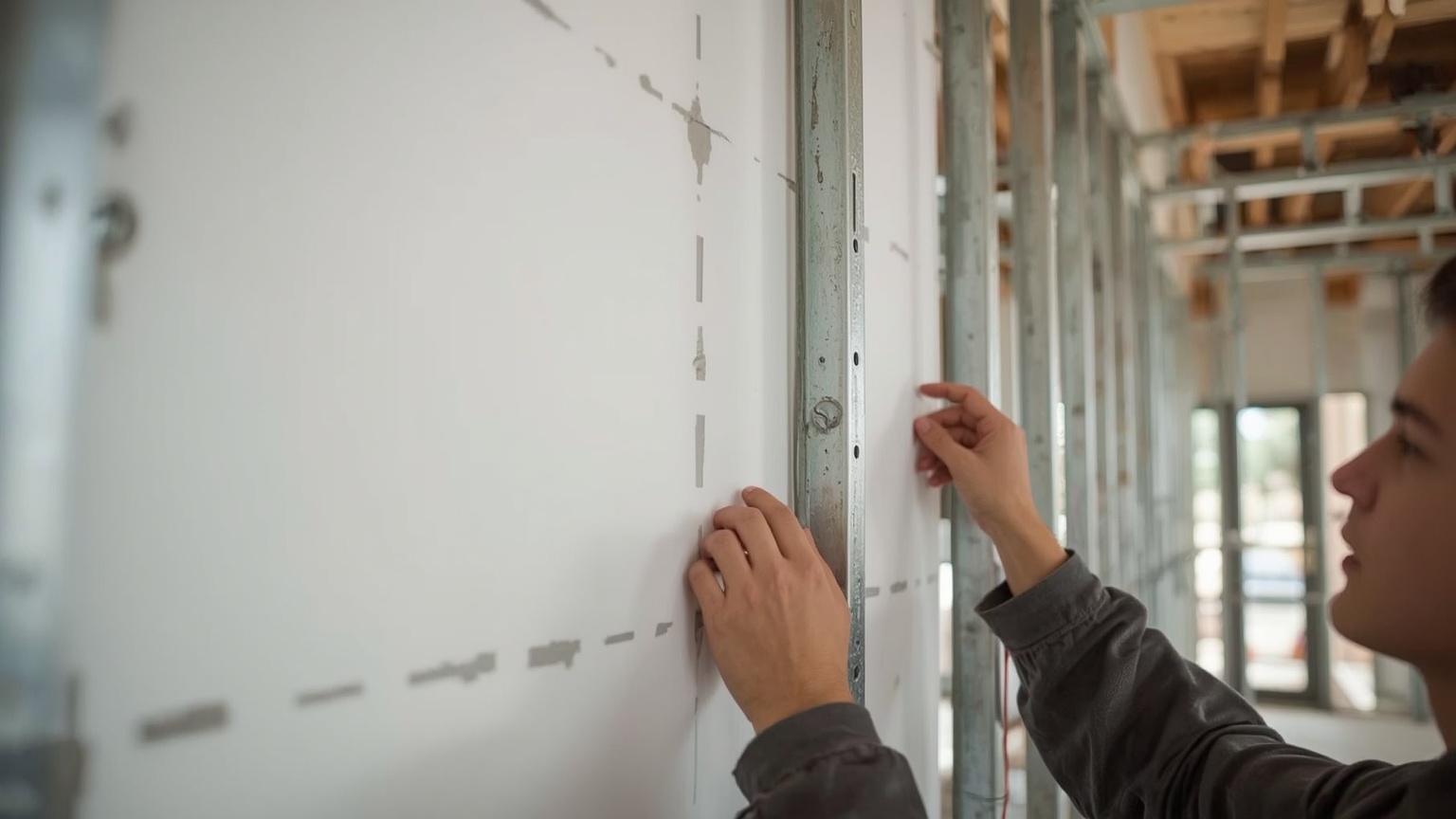
Why Choose Drylining Edinburgh?
We are a team of experienced tradespeople who focus on getting the job done right. Here is what sets us apart:
- 1 CSCS Accredited Team Every contractor on our team holds valid CSCS cards and site safety certifications.
- 2 £1M Public Liability Insurance Full insurance coverage on every project, giving you total peace of mind.
- 3 Free, No-Obligation Quotes Transparent pricing with no hidden fees. We quote honestly and stick to it.
- 4 24-Hour Response Time We aim to respond to all enquiries within 24 hours, often the same day.
- 5 Clean, Professional Work We leave sites tidy and respect your property, whether residential or commercial.
Ready to Start Your Project?
Get your free, no-obligation quote today. We aim to respond within 24 hours to all enquiries across Edinburgh and the surrounding areas.
Frequently Asked Questions
Everything you need to know about our drylining services in Edinburgh.